Introduction to Window Tinting Regulations
Window tinting regulations serve a critical function in balancing aesthetics, privacy, and safety in Texas. The growing popularity of window film has led to widespread adoption among vehicle owners seeking enhanced comfort and style. However, without appropriate regulations, this enhancement could compromise visibility and safety, particularly for drivers and pedestrians. Consequently, Texas has established a framework of laws to govern the usage of tinted windows, ensuring that the interests of all road users are protected.
The primary purpose of window tinting laws is to regulate the amount of light that can penetrate the vehicle’s windows. This regulation is fundamental because excessive tint can obscure a driver’s vision, especially at night or during inclement weather. Additionally, window tint can affect law enforcement’s ability to see inside a vehicle, which may raise concerns regarding safety and security. Therefore, these legal frameworks are designed to set limits on the darkness of window films permitted in various areas of a vehicle, including the front windshield, front side windows, back side windows, and rear window.
Furthermore, these regulations also address varying degrees of tinting based on the vehicle type, ensuring consistent enforcement across different vehicles. Texas law aligns with federal guidelines while allowing some state-specific provisions, mandating vehicle owners to adhere to specific parameters regarding how much light must pass through their windows. For example, the visible light transmission (VLT) percentage is a crucial aspect of window tinting laws, determining whether the installed tint complies with legal standards. Understanding these regulations is essential for vehicle owners in Texas, as noncompliance may lead to fines or the requirement to remove illegal tint. Thus, navigating the legal landscape of window tinting is vital for optimizing both privacy and safety on the road.
Texas Window Tinting Laws: Key Requirements
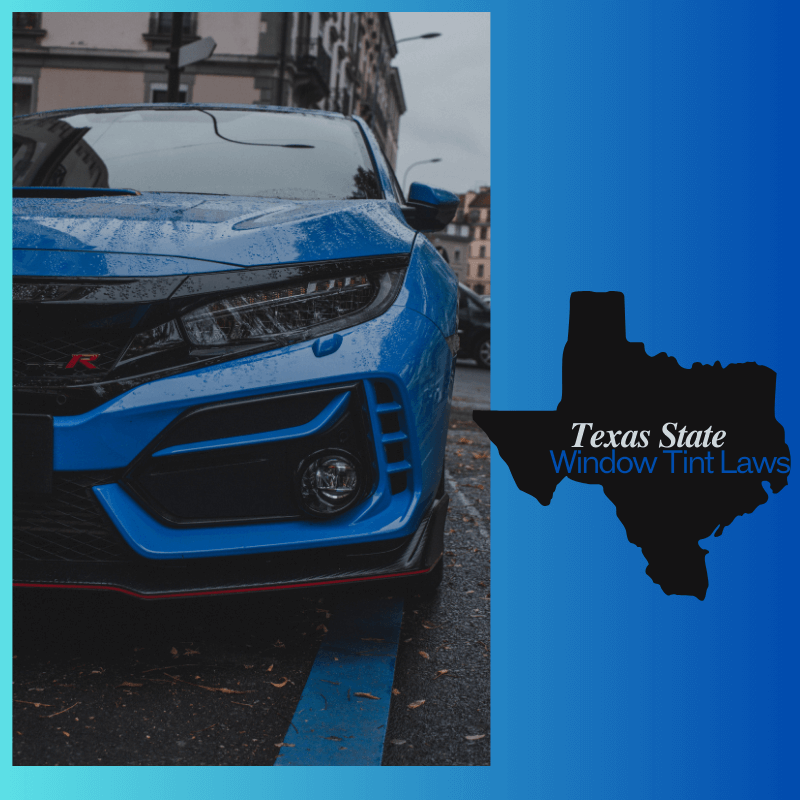
In Texas, window tinting is regulated by specific legal requirements aimed at ensuring safety and compliance on the roads. Understanding these regulations is crucial for vehicle owners. The laws dictate allowable levels of tint for various windows, including the front windshield, side windows, and rear windows, as well as the materials that can be used for tinting.
For the front windshield, the Texas law allows tinting only on the top 5 inches or the AS-1 line, whichever is longer, with a Visible Light Transmission (VLT) percentage of 25% or more. This means that at least 25% of light must be able to pass through, keeping visibility clear for the driver. Side windows must also adhere to a VLT restriction of 25% or above, while back windows can be tinted darker without restrictions, giving vehicle owners more flexibility in design.
Moreover, certain materials are expressly prohibited in Texas. Reflective tints, which can cause hazards for other drivers and themselves, are limited to 25% reflectiveness for front and side windows. Specific exceptions exist for medical reasons, allowing individuals with documented medical conditions to apply for a specialized decal permitting darker tints on their vehicles.
Failure to comply with these tinting regulations can result in fines and penalties. The first violation may lead to a warning or a fine, while repeat offenses may incur heftier penalties. Compliance certification from a licensed professional is not mandatory, but it can mitigate potential issues during law enforcement checks. Manufacturers or installers of window film may also provide documentation that indicates the level of VLT, which can be beneficial if disputes arise.
In summary, abiding by the specific legal requirements regarding window tinting in Texas is vital for all vehicle owners. Understanding permissible tint levels and material restrictions helps ensure safety and compliance while avoiding legal penalties.
Exceptions and Special Considerations
In Texas, while there are standardized legal requirements governing window tinting, there exist certain exceptions and special considerations that individuals should remain aware of. These nuances are critical for those who may seek alternatives to the general regulations, whether due to medical conditions or specific vehicle types.
One significant exemption relates to individuals with medical conditions that necessitate the use of darker window tints. Under Texas law, individuals who have a written prescription from a licensed physician can apply for a medical exemption. This provision allows for darker tints that exceed the standard limits, particularly for those ailments that result in heightened sensitivity to sunlight. It is vital for individuals seeking this exemption to maintain an updated and valid document confirming their condition, as law enforcement may request to see this proof if stopped.
Additionally, commercial vehicles may be subject to different rules regarding window tinting. For example, vehicles used for transporting goods or as taxi services often have distinct requirements that differ from personal vehicles. These vehicles may benefit from darker tint allowances or specific exemptions tailored to enhance privacy and security during operations. Owners of commercial vehicles should consult relevant regulations to ensure conformity within their operational jurisdiction.
Lastly, local ordinances can introduce additional restrictions regarding window tinting that apply on top of state laws. Certain municipalities in Texas, such as Austin or Houston, may have their own regulations that differ slightly from state-level standards. It is prudent for vehicle owners to verify their locality’s specific guidelines to avoid potential fines or legal complications.
Recognizing these exceptions and special considerations can significantly affect decisions around window tinting in Texas, enhancing compliance with legal standards while addressing personal needs or business requirements.
Conclusion and Future of Window Tinting Regulations in Texas
In summary, navigating the landscape of window tinting regulations in Texas is crucial for vehicle owners. Adhering to the established legal requirements ensures compliance and promotes road safety. Throughout this article, we have highlighted the specific rules governing window tinting, including permissible levels of tint darkness and the necessary certifications for materials used. It is essential for vehicle owners to familiarize themselves with these laws to avoid penalties, such as fines and potential vehicle impoundment.
The future of window tinting regulations in Texas is likely to evolve, as public perception and safety concerns continue to influence legislative decisions. The ongoing discussion between personal preference for aesthetics and the need for heightened visibility can spark changes in the rules governing window tinting. There is increasing interest in balancing individual freedoms with community safety, which may result in new regulations or revisions to existing laws. Monitoring these developments will be imperative for residents who seek to modify their vehicles while staying within legal limits.
As regional and local policies may vary, vehicle owners should consult official resources or licensed professionals to stay updated on the latest requirements and trends regarding window tinting. Regularly reviewing local guidelines will help ensure compliance amidst potential legislative shifts in Texas. Whether one prioritizes style, privacy, or heat reduction, being informed empowers consumers to make educated decisions about window tinting.
Ultimately, understanding and respecting window tinting laws fosters safer driving conditions while allowing personal expression through vehicle modifications. By staying well-informed and compliant, individuals can contribute to a safer driving environment for all Texans.
Ensure Your Tint Meets Texas Laws with Quality Windows Tint
At Quality Windows Tint, we’re here to make sure your tint is not only stylish but also fully compliant with Texas regulations. Our experts guide you in selecting the perfect tint that balances UV protection, privacy, and legal requirements.
Call us today to schedule your tinting appointment or visit our shop for a free compliance check. Drive with confidence knowing your tint is done right!
Subtitle for this Block